Sea and suicide

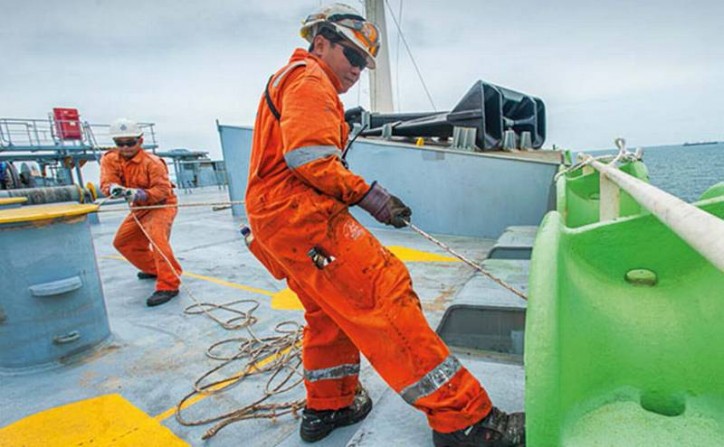
Image result for seafarers
Seafarers. Source: VesselFinder.com.

This is somewhat a depressing topic but it does need to be discussed. Suicide within seafarers is very high. Many people do not know who seafarers are and this is problematic within itself. What they do and transport in their ships is vital to our lives with over 90% of items being transported by boat. The seafarers look after the ships and make sure the items get there safety and securely. Thus their well-being needs to be studied.

Carotenuto et al., (2013) concluded that seafarers are exposed to high levels of stress. Reasons for this include noise and vibrations, sleep disturbances but also that they are away from family (and loneliness). The video below tells one man’s story:

Source: YouTube.

Mental health is something that has been highlighted within the media in recent times. Many people now feel able to talk about issues, however it is important to act too. Arguably the seafarers are away for months at a time and so offering support can be difficult. Though this does show that mental health relates to any field of work and also that the issues on sea and land can be quite similar (especially how on both there are people). This brings up the geographies of ships, which Nick Harvey of Seafarers UK designates as vital to explore. By creating a Facebook page, Twitter, YouTube page and also creating articles withing various magazines (e.g. Navy News), seafarers are becoming visiable to the public eye. By using social media sites in particular, people are able to discuss and debate topics, which has the ability to bring seafarers issues to the forefront.

It is not just seafarers who are likely to take their own life at sea, but the public. The properties and narratives of the sea could explain this. Within Western studies at least, the sea was previously thought to be a blank space of nothing with lack of interaction. Of course oceanic studies have moved on and there is recognition that the sea is a complex place made of different actors and relations as well as the geophysical space. Though this idea of the blank space still remains, it could be a metaphor for just disappearing, for drifting away, feeling as though problems can be gone? This shows how the sea itself can be seen in different ways by people and alarmingly how it can be associated with suicide. For the seafarers themselves, due to being at sea for so long, they may feel at one with the sea and have an embodied experience with the sea which can lead to an increase in suicide.
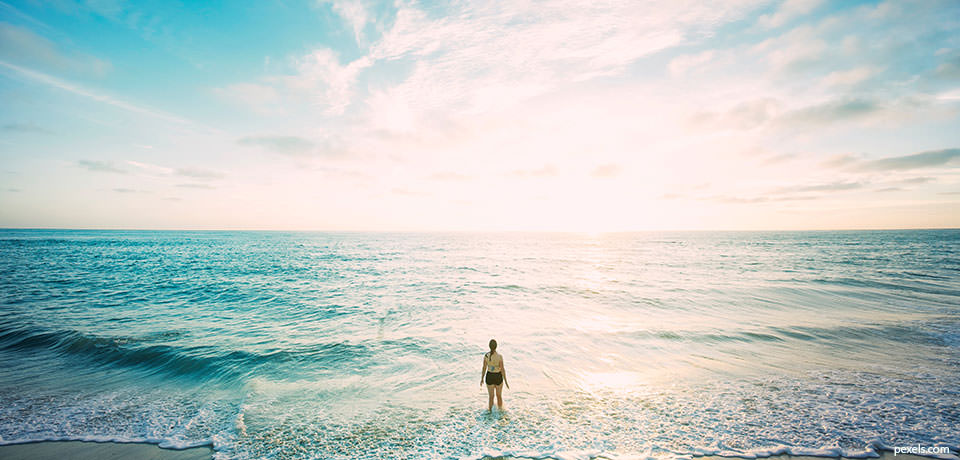
Image result for ocean
The sea as a ‘blank space of nothing’. Source: Google Images.

This post has given insight into the forgotten seafarers who are so vital to the lives we all live. The stress is only likely to increase with globalisation and demand in services. With the increase in mental health awareness around the world, seafarers need this too. This website gives way in which we can support seafarers.  

Piracy: why is it an issue?

Piracy, a word that has many meanings, though when related to the sea the picture becomes more clear, or does it? The real lives played out within Somali pirates and Somalia is general needs to be discussed as well as the reasons why piracy exists and what can be done. This is to show that the sea is both a resource and a space for crime to occur.

Piracy in Somalia is an issue depicted recently in the media such as this clip from Captain Phillips:

All rights reserved to Columbia Pictures. Source: YouTube.

While this is used for entertainment (and has been used in meme culture), there is a serious undertone here, due to how practices are depicted and what is the story actually behind them.

Somalia is a developing country. Not much is known due to the fact the country is split into three (despite only the whole country being recognised internationally). Though what is known is that it is poor (71.3% living in poverty) and has a low life expectancy (56). A catastrophic civil war in 1988 killed over 700,000 people and has caused deprivation into the country Though it does have a resource which is the sea, therefore fishing occurs. However, there has been a rise in illegal fishing from other nations. All of these reasons can arguably explain why piracy exists: for livelihoods but for many it’s a profitable exercise. This shows how the sea is used by people for both necessity and greed, highlighting the sea as a resource.

Image result for somalia red sea
Piracy exists mainly in the Gulf of Aden and the Red Sea. Source: Google Images.

This video here explains the process of Somali piracy:

Source: YouTube.

Piracy is having effects on land, showing the connections between the land and the sea. A case study of this is of Puntland (where the pirates normally dock), whereby prices are increased as traders know the pirates have money. This can have impacts on the local economy, meaning countries do want not what supply goods to Somalia due to their high prices. This is why Somalia have a decline in the supply of goods. The seemingly harmless narrative of pirates finding treasure is inaccurate, the pirates’ actions actually have consequences for those living back in Somalia and exacerbates the issues they already face.

A final point about piracy that I have gathered is about the different actors present in this process. There are the pirates themselves, the financiers and the clan leaders (which are given some the ransom from the people who owns the hijacked boat). This highlights how the sea is used by a variety of people and it is these fixed connections within the actors that mean piracy still exits. There are other issues within the sea, e.g, waste and sovereignty issues which are reproduced though these actors. This is why is it very hard to tackle these issues.

The blog has shown the devastation piracy can have for Somalia, as well as how difficult it can be to govern this land due to the different actors involved. It shows that the connections between land and sea cannot be ignored.

Mediterranean plastic and tourism: a case study

A key issue within the sea is that of plastics and they pollute the sea. Though what is the most polluted sea? The answer is the Mediterranean. One country that is affected greatly by this is Greece.

This video summaries whats wrong about the pollution of plastics. The main problems are marine life consuming plastic and becoming trapped (leads to devastation for different species), and it pollutes the sea which impacts humans. Many of these plastics are deposited by tourism, which is why Greece has been looked at. In fact, 60% of marine waste found in the Mediterranean was found in the Saronic Gulf which is near Athens. It therefore disproportionately affects Greece. The video below explains more about the effects of plastic waste:

Source: YouTube.

When looking at Greece in particular, the country has suffered greatly. Since the recession of 2007/8, their economy has been failing and has recently received a bailout from the EU in the past few years. It could be argued that due to this, they have other priorities other than saving the sea from plastic waste. It links to the wider problems of environmentalism and how often it is put to the back of government’s minds. However with increasing global warming and globalisation, this destruction will only continue and should be addressed.

Image result for plastic pollution greece
Plastic waste on a Greek coast. Source: Google Images.

It is also wrong to assume that this plastic waste is all from Greece when actually, many of it is from Turkey and Spain (other countries in the Mediterranean). This signifies that the sea is not static and is fluid, has the ability to move plastics across the sea. It therefore becomes a more of an international problem, therefore the EU banned single plastics in 2018. Though Tidley (2018), argues more can be done for plastics in the ocean.

This is not to say that nothing has been done by Greece to tackle this. For example, the Greek Island of Sikinos, has recently gone plastic straw free. Plastic straws has been a recent debate with environmentalism, as they take 200 years to dissolve and it is the 11th most frequent plastic in the ocean. Greece themselves has also introduced an ecotax for every plastic bag (9 cents). Both of these are a step in the right direction, but it appears to only really affect the people who live there. Greece have not appeared to confront the waste that is produced from tourism. This needs to change if the issue of plastic waste is going to improve in Greece. If it does not, the picturesque views that were once associated with Greece may be long forgotten. This possibly could result in less tourism in the future. This shows how the sea affects the economy and on land activities and relations altogether.

It is unlikely that tourism will go away so the sea again will have to deal with the consequences of plastic. Though looking to the future, the Greek Islands rely on tourism and its picturesque views and having plastic there, will likely not improve its image.

Cultures of the sea: a case study of Moana

‘No one knows, how far I’ll go’… – Moana.

The words of Moana, the first Disney Pacific Islander princess about her yearning for the sea. This film released in 2016, gives so much insight into the sea and the Polynesian cultures surrounding the sea.

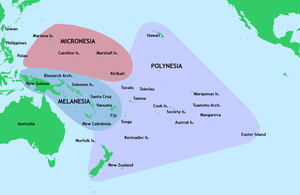
The following image is a map of Polynesia, a region of island in the Southern Pacific Ocean. Due to their location Polynesians rely on the sea and many of their are stories about the sea.

Map of Polynesia. Source: Google Images.

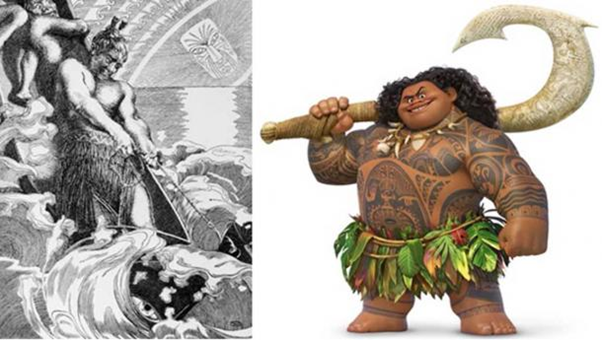
The story that was chosen for Moana was the story of Maui, the demi-God. The Polynesian islands interestingly have unique story telling whereby it is mainly of humans who gain God-like powers. He is not attributed to just one country, but several of them. They are mostly similar with Maui being able to creating fire and raising the sky. Therefore he is seen as a to gift to man-kind. However what is interesting is that it did get some backlash, mostly due to the film version Maui’s weight (as seen in below picture). It could argued that he is portraying more of a stereotype of Polynesia in which many are associated with being overweight such in Nauru). These representations are likely not to be true but as the sea is so vast, these are the representations that were portrayed to the West.

Maui from Polynesian folklore and Maui from Moana (2016). Source: AncientOrigins.net.

This idea seems also familiar, Disney making a film about a non-Western culture. It can be linked to ideas brought in by Said, Orientalism. I suggest the film somewhat portrays an Orientalism of the sea and sea islands. This culture is othered, is made exotic. Even though this film what somewhat accurate to actual legends and myths in this region, it still a Western outsider’s view of it.

However, Disney was very aware of these claims of Orientalism and appeared to respond to this by actually going to Pacific Islands (Tahiti and Somoa) and learning about the culture. This can show the change in academia as well as in public view. Cultural appropriation is very prominent in the minds of filmmakers, as well as in the minds of the people. It was also the first Disney film in Tahitian, as it is a dying language. Therefore sea cultures are not completely contested, there are instances of people working together.

However, these stories do evident a key trope within sea studies, that there are different understandings of the sea by different cultures and one cannot assume that the island views are homogeneous. The Polynesian stories viewed the sea as central to life while the Western view has seen them as secondary to life (thought his has changed recently). This could be explained because the islands are so close to the sea and rely on them while in West often they are invisible.

I will end this blog post, from Moana herself explaining her yearning for sea and my yearning to learn about the sea:

All rights reserved to Disney. Source: YouTube.